

How to Obtain a B1 Certificate Without an Exam: Is It Possible?
The B1 Certificate, also understood as an intermediate-level certification in many language testing systems (such as CEFR - Common European Framework of Reference for Languages), is a crucial turning point for individuals seeking to show their capability to communicate effectively in a foreign language. It is frequently needed for functions such as work, study, migration, or citizenship applications. Nevertheless, the idea of obtaining a B1 Certificate without taking an exam is luring, and this post explores whether this is possible and what options exist.
What is a B1 Certificate?
A B1 Certificate represents that a person has reached an intermediate level of language proficiency. At this level, a person needs to have the ability to:
Understand and produce straightforward, clear speech and text on familiar subjects.
Deal with most circumstances likely to develop while traveling in locations where the language is spoken.
Describe experiences, events, dreams, aspirations, and viewpoints briefly.
Interact with native speakers without excessive pressure.
The B1 exam usually involves abilities such as reading, composing, listening, and speaking, and the format may vary depending upon the certification body (e.g., Cambridge English, Goethe-Institut, DELF, etc).
Can You Really Obtain a B1 Certificate Without an Exam?
The brief response is no-- most globally recognized B1 certifications require prospects to pass an exam. Certification bodies like Cambridge Assessment English, Goethe-Institut, and the Alliance Française preserve rigorous screening standards to guarantee their certifications accurately show a person's language proficiency.
Nevertheless, there are alternative routes and exceptions that may permit somebody to demonstrate a B1-equivalent level of proficiency without sitting for a conventional exam:
Acknowledgment of Prior Learning (RPL).
Sometimes, universities, employers, or immigration authorities may accept other forms of evidence of language proficiency instead of a formal exam. This might consist of:.
Proof of attendance in a language course that licenses your level.
Evidence of living, studying, or operating in an environment where the language is spoken fluently.
Documentation revealing previous language accreditations equivalent to the B1 level.
Certificates Through Alternative Assessments.
Some online platforms or educational programs provide certificates of completion for language courses. These certificates might indicate a particular CEFR level (e.g., A2, B1, or B2). While not a main B1 exam, such qualifications might be accepted by particular companies as evidence of language capability.
Internal Language Assessments by Employers or Universities.
If you're making an application for a job or university admission, the employer or academic organization might assess your language skills internally through their own assessments or interviews, instead of needing a main exam.
Language Waivers for Long-Term Residents.
In some immigration cases, long-term locals of a nation or people wed to native speakers might be exempt from taking official exams. Authorities may request proof of combination into society or everyday interaction skills rather.
Why Taking the Exam is Still the very best Option.
Although the idea of bypassing an official exam is appealing, the B1 exam serves an unique and important purpose: it objectively evaluates your skills. Here's why taking the exam is often the much better option:.
Global Recognition: Certificates from authorities like Cambridge or Goethe-Institut are reputable worldwide and supply confidence to companies, universities, or immigration authorities.
Personal Confidence: Successfully passing an exam is concrete evidence of your capabilities and is a terrific incentive for future development.
No Room for Doubts: When you can offer a main B1 Certificate, there's no need to convince anybody of your language efficiency.
How to Prepare for the B1 Exam.
If you choose to take the official exam, here are some ideas to make sure success:.
Research study Consistently.
Devote regular time to study, concentrating on all language skills (listening, speaking, reading, and composing).
Take a Preparation Course.
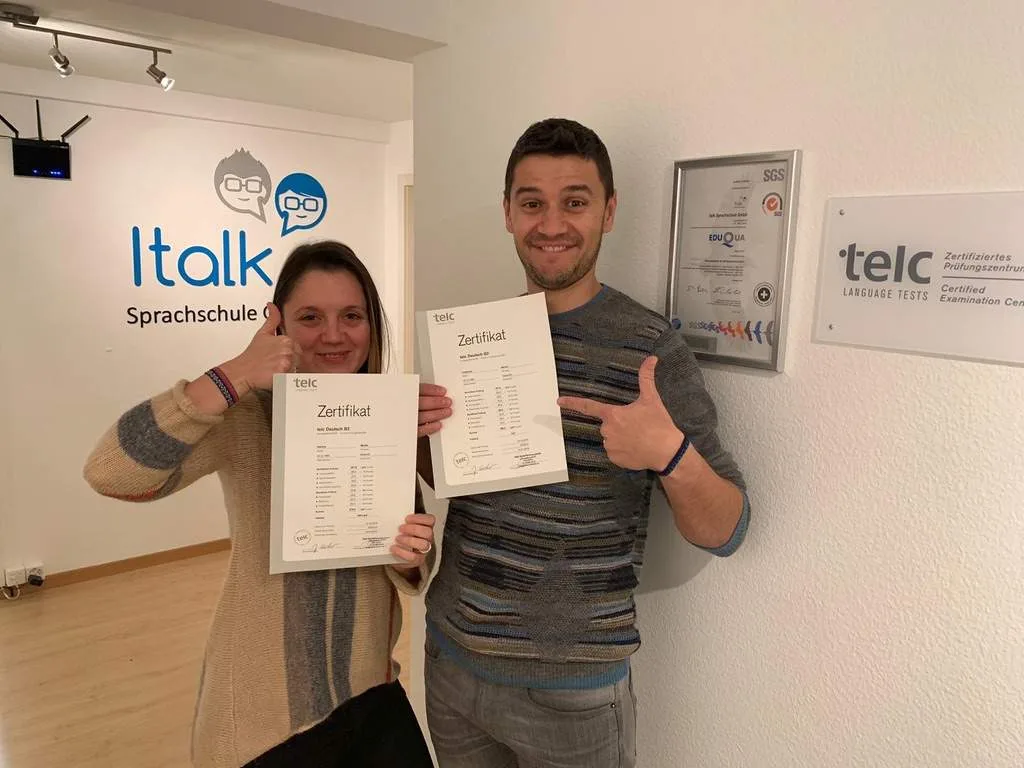
wie viel kostet b1 prüfung in a language course specifically created to prepare you for a B1 exam. These courses assist you acquaint yourself with the structure and expectations of the test.
Practice with Sample Tests.
Many accreditation bodies offer online sample papers and practice products that reproduce the format and trouble of the test.
Immerse Yourself in the Language.
Surround yourself with the language: view movies, checked out books, listen to podcasts, and talk with native speakers.
Utilize Online Resources.
Platforms like Duolingo, Babbel, or complimentary resources from main exam sites are outstanding tools for language learning.
Conclusion.
While it might seem attracting get a B1 Certificate without an exam, it's not likely to meet the requirements of most main scenarios. Acknowledged accreditations require an official exam to make sure consistency and reliability in efficiency standards. Checking out alternative documentation may work in restricted circumstances, however passing the exam stays the very best, most dependable choice for validating your language abilities on a worldwide level.
If you're preparing for a B1 exam, don't shy away from the difficulty. Think of it as an opportunity to enhance yourself, acquire self-confidence, and further your personal or expert ambitions. With the right preparation, you'll soon have that sought after B1 Certificate in hand!